
In today’s digital world, businesses rely heavily on mobile applications to engage users, streamline operations, and grow their brand. Choosing the right mobile app development platform is a critical decision, as it influences not only how your app is built but also how it performs, scales, and adapts over time.
However, selecting a tool is not just about development, it is equally about ensuring that your app can be tested effectively across different devices, operating systems, and environments. A well-informed choice takes both development efficiency and testing reliability into account. Here’s a guide to help you make a smart decision with quality and performance in mind.
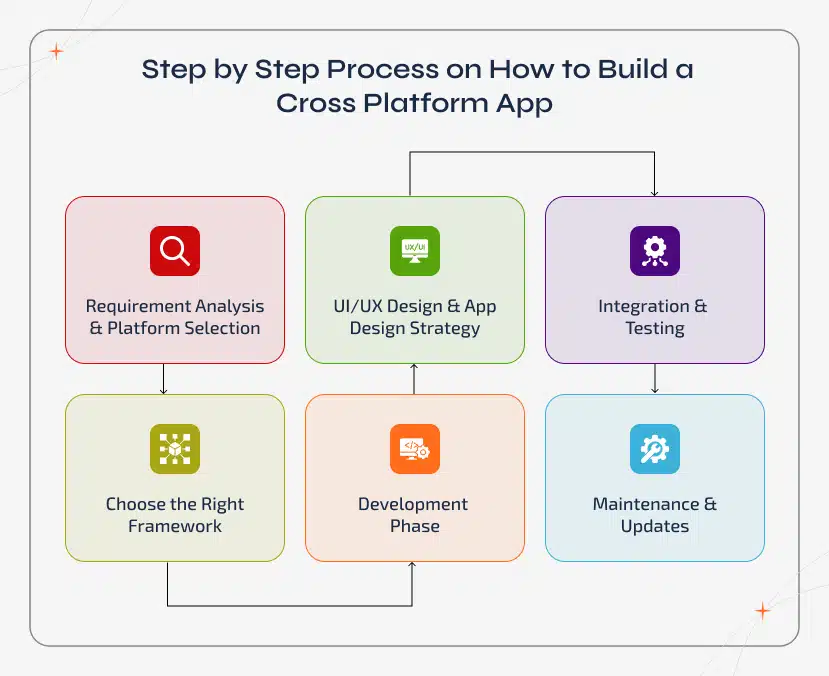
1. Understand Your Project Needs
Start by clearly identifying your project’s requirements. Are you building for iOS, Android, or both? If your goal is to reach users across multiple platforms, cross-platform frameworks such as React Native and Flutter can significantly reduce development time by allowing you to maintain a single codebase.
On the other hand, if you are developing platform-specific applications, tools like Android Studio and Xcode remain the preferred choices, as they provide full access to native features, performance optimizations, and APIs.
Testing perspective: Regardless of the platform you choose, you will need a reliable way to validate your app’s functionality across different devices and OS versions. This is where real-device testing becomes essential, as it ensures your app performs consistently in real-world scenarios.
2. Focus on Developer-Centric Tools
The expertise and comfort level of your development team should play a key role in selecting the right tool. Experienced developers often prefer robust, native platforms like Android Studio or Xcode for greater control and flexibility. Meanwhile, cross-platform frameworks can enable faster development cycles and broader reach with fewer resources.
Testing perspective: It is important to choose a tool that integrates seamlessly with CI/CD pipelines. This allows both automated and manual testing to run alongside development, ensuring that issues are identified and resolved early in the process rather than after release.
3. Prioritize Performance Optimization
Modern users expect mobile apps to be fast, responsive, and reliable. Issues such as crashes, slow load times, or excessive memory usage can quickly lead to poor user experiences and app uninstalls. Therefore, your development tools should include features for performance profiling, monitoring, and debugging to help identify and eliminate bottlenecks.
Testing perspective: Conducting performance testing on real devices, rather than relying solely on emulators, provides more accurate insights. It helps uncover issues that occur under real-world conditions, such as weak network connections, low battery levels, or heavy usage patterns.
4. Ensure Seamless Integration
Most modern applications do not function in isolation they rely on integrations with payment gateways, APIs, cloud services, and various third-party tools. Choosing a development platform with strong integration capabilities can significantly simplify the development process and reduce potential compatibility issues.
Testing perspective: Every integration must be thoroughly validated. A dependable testing strategy ensures that updates to APIs or external services do not disrupt critical features or negatively impact the user experience.
5. Plan for Scalability and Long-Term Growth
As your app grows, it will likely require new features, frequent updates, and the ability to handle increasing user traffic. The development tool you choose should support scalability and allow for seamless updates without compromising performance or stability.
Testing perspective: With frequent updates, robust regression testing becomes essential. Automated regression testing on real devices ensures that new changes do not break existing functionality, making it easier to maintain quality as your app evolves.
Conclusion
The development tool you choose plays a crucial role in shaping your app’s performance, integrations, and long-term growth. However, success goes beyond development alone effective testing is what ensures your app works reliably for every user, on every device, under all conditions.